A hot tub can be the most relaxing square metres on your property, especially in a Winnipeg winter when the steam feels like a private cloud and the snowbanks turn into white noise. If you share the house with children, though, that steamy haven comes with responsibilities. I’ve worked with families from Tuxedo to Transcona who wanted the comfort of a spa without turning the backyard into an anxiety factory. The good news is you can have both. Childproofing a spa area is a project of layers: the right enclosure, smart habits, equipment that quietly watches your back, and a layout that assumes little hands, slippery feet, and curious minds.
Hot tubs for sale are easy to find. Safe hot tub setups are built with intention. Let’s walk through how to do it in Winnipeg’s climate, where January can bite at minus 30 and spring melt creates a slush obstacle course.
Start with the right tub, chosen for a family yard
You can fall in love with a lounger layout or a waterfall feature and still pick a model that supports safety from day one. When clients visit a Winnipeg Hot Tubs showroom or type hot tubs store near me into their phone, I ask them to bring photos of the yard and to think about who will use the tub in the next five years, not just this winter.
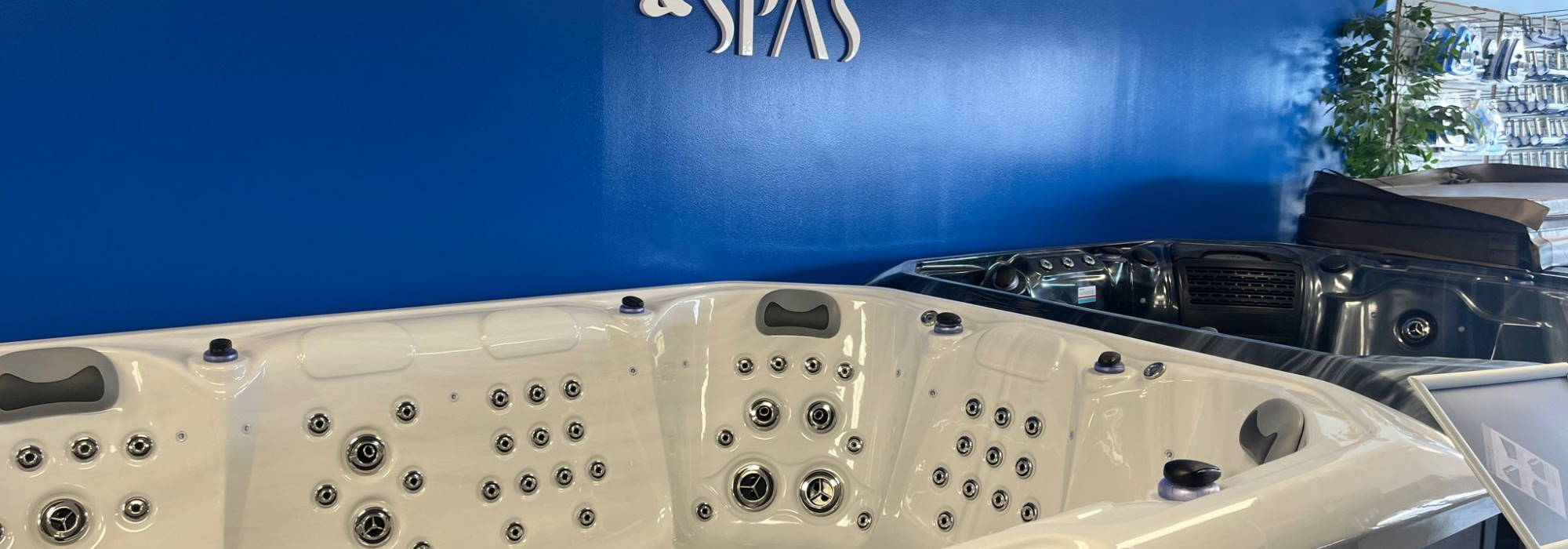
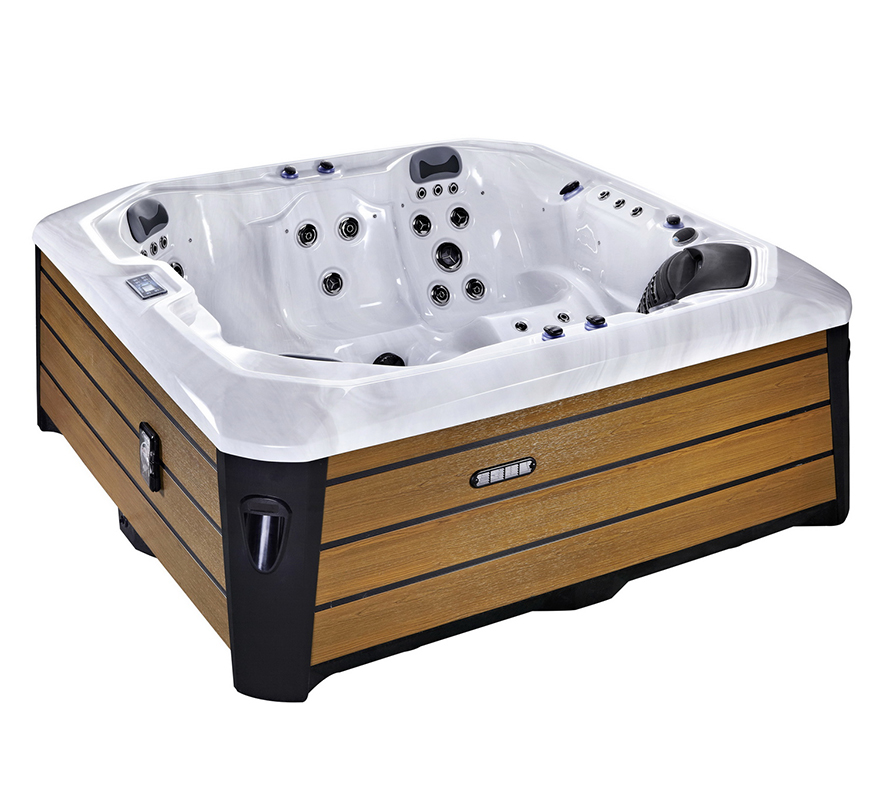
A family‑friendly spa has a few telltale traits. Look for a shell with varied bench heights so smaller bodies can sit without a chin barely clearing the waterline. Shallow cool‑down seats provide a safe perch when kids get hot or overwhelmed, and adults appreciate them during longer soaks. I also like models with recessed or shielded controls. If a toddler can hand‑slap the jet button or crank up temperatures like they are playing with a piano, you will spend your evenings playing defense. Ask whether the topside control can be lock‑coded. Many premium brands let you set a two‑button hold to prevent temperature changes and jet activation.
Step illumination sounds like a mood feature, but it is really about orientation and safety. Soft, low‑glare LEDs around steps and the interior lip help children find edges at dusk, and they help adults see where a tiny foot might be. On the electrical side, insist on a proper GFCI with a weatherproof enclosure and professional installation. I have yet to meet the DIY breaker that gives a parent better sleep.
If energy efficiency is on your mind, you are not alone. Winnipeg’s winters punish sloppy insulation. The safer tubs also tend to be the warmer tubs: full‑foam insulation reduces heat loss and stiffens the cabinet, which helps doors close true and locks line up every time. A flapping skirt in February is more than a heat leak, it is an invitation for a child to poke inside a panel where pumps and electronics live.
The cover is your first lifeguard
Covers are not glamorous. They also do the most work for families. For a home with children, a lightweight bi‑fold cover that looks like a fancy sofa cushion is not enough. You want a rigid, load‑bearing cover engineered to support an adult, with reinforced seams and metal or composite internal braces. The foam core density matters, just like in a good pair of winter boots. Ask your retailer to show you a cross‑section. If it compresses like a marshmallow, keep walking.
Locking mechanisms separate an adult‑only spa from a family‑ready one. Four locking straps are the bare minimum, one on each side, with keyed or combination buckles that cannot be opened by determined little fingers. Position the locks so they are out of a child’s line of sight and reach. If your deck rail gives easy access to a lock, switch the strap orientation. When a cover is new, locks feel redundant. Six months in, they are the reason a bored eight‑year‑old does not treat your hot tub like an aquarium.
Winnipeg adds a twist: snow load. A storm can park 20 to 30 kilograms per square metre on a flat surface in a single night. If your cover can’t shed snow or flex without cracking, you will end up propping it with hockey sticks, which is not a safety plan. For ground‑level tubs, I recommend a gentle pitched cover lifter that stores the cover vertically. It sheds snow, it keeps the cover off the ground where ice can weld it in place, and it makes it easier for a smaller adult to operate without help.
If your budget allows, look at automated hardcovers that hinge and lock like a clamshell. They are heavy, which is the point, and they frequently include a keyed switch. The convenience of a single motion is underrated when you have kids hovering. You want to be able to lock the tub fast, not perform a two‑minute strap dance while someone’s curiosity is peaking.
Fencing and barriers that actually stop a child
I have seen a toddler squeeze through a six‑inch gap with the determination of a cat. When people ask about fencing requirements around a spa, they often expect a single answer. Rules vary by municipality and HOA, and some areas treat hot tubs differently than pools if you have a locking cover. If you are unsure, call the City of Winnipeg planning department or consult a contractor experienced in backyard builds. Code aside, the right fence is a gift to your future self.
Height helps, though it is not everything. A 5 to 6‑foot barrier with vertical pickets spaced less than 4 inches apart is a solid baseline. Avoid horizontal rails that create a ladder. If your spa sits on a deck, the deck rail is part of the barrier system. Eliminate the move where a child can climb the deck rail and step onto the spa lip.
Gates should close themselves, latch themselves, and lock. The latch needs to be higher than a child can reach while standing on anything reasonably nearby. I set latches at adult shoulder height and require a deliberate two‑step movement to open. Spring tensioners on gates are not set‑and‑forget. Test weekly, especially after a cold snap or a rain‑snow cycle that swells wood.
For patios and ground‑level installs, I like secondary barriers that live close to the tub. Think of a low, lockable screen or a hinged bench enclosure that wraps around the spa skirt. This turns the last metre into controlled territory, so even if a child gets into the yard, they still cannot reach Helpful resources the waterline without an adult present.
Slip, trip, and the choreography of entrances
Most hot tub injuries with kids are not Hollywood drama. They are slips on wet planks, stubbed toes on surprise steps, and foreheads meeting a cabinet corner. The entrance path deserves as much attention as the tub itself. Winnipeg decks dry slowly in spring and glaze over in early winter. Rubberized treads or textured composite decking in the approach area make a difference. I test with bare wet feet, then with a dusting of snow.
Stairs should be wide enough for two people to pass, because you will eventually carry a child wrapped in a towel while someone else exits. Closed risers stop a foot from punching through. A continuous handrail from the first step to a transfer handle on the tub helps kids commit their balance forward instead of sideways. Inside the tub, adhesive anti‑slip strips on the steps are worth the minor aesthetic hit. Clear versions keep the look clean.
If your spa is recessed into a deck, light the perimeter and the step edges. This is not a place for glare bombs. Low, warm fixtures at ankle level prevent glare on icy nights and show puddles. With kids, wet zones travel. Stash a rubber‑backed mat at the top of the stairs where they dry off, then add a second at the door into the house. The fewer puddles inside, the fewer emergency sock skates.
Water chemistry that favors skin and eyes
Children have thinner skin and a gift for rubbing their eyes at exactly the wrong moment. Over‑chlorinated tubs sting. Under‑sanitized tubs breed earaches and rashes. The sweet spot is narrow but achievable with a system you can maintain. If your household swims twice a week in summer and hibernates in January, your routine should flex.
Saltwater chlorine generators can be gentler on skin when set up correctly, but in Winnipeg they need winter‑aware maintenance. Cold water produces chlorine more slowly, and salt levels must be monitored when you add or remove water. Traditional dichlor routines are fine for families if you keep stabilizer levels in range and shock after heavy use. Ozone or UV systems reduce the chlorine workload, which kids notice as less odor and less eye sting.
I prefer a test‑and‑adjust schedule, not a guess‑and‑hope schedule. At minimum, test free chlorine or bromine, pH, and alkalinity twice a week when the tub is in regular use. If that sounds like a lot, pair it with a ritual, like the Sunday grocery run. When I coach new owners, I have them keep a simple log for the first month. Patterns emerge, like the way a Saturday playdate blows out sanitizer reserves, or how warmer spring nights change pH drift. In Winnipeg, municipal water typically runs moderate hardness, but if you are on a well at the edge of town, hardness can climb. Scale is not just a cosmetic crust, it creates rough surfaces that scrape small knees.
Store chemicals high, dry, and latched. The best childproofing fails if a kid can open a pretty white bucket. Do not stash chlorine granules in the equipment bay for convenience. Moisture and fumes are hard on pumps, and curious hands always find the one place you thought they would not check.
Rules that kids remember and adults actually enforce
You can engineer a backyard that refuses bad ideas, or you can teach your kids not to have them. The best plan uses both. I keep house rules short, specific, and measurable. I also try to explain the why in one sentence a child can repeat.
Here is a simple framework families I work with memorize together:
- No tub without an adult. Adults get wet too, or the cover stays locked, because adults see things kids miss. Walk on the deck. Wet wood is slippery, and running makes scraped knees and tears. Hair up and no diving. Long hair floats toward jets, and heads do not belong near hard edges. No snacks in the water. Food brings slips, spills, and the wrong kind of wildlife. Five to fifteen minutes for kids under eight. Warm water tires small bodies fast, and breaks keep everyone happy.
A timer helps more than negotiations. Set it to ten minutes and make the break fun, not a punishment. I keep a stack of warm towels in a lidded deck box and a thermos of cocoa in winter or a jug of water in summer. Hydration fights dizziness, and a towel fight is the simplest rewarm.
Alarms, cameras, and gear you hope you never need
Alarms sit in the same category as seat belts. Unexciting until you need them. For families, I recommend two types. First, a surface‑disturbance alarm in the water that triggers if something heavier than a leaf breaks the surface. Some models can be tethered to a base station inside the house. Second, a cover or gate contact sensor that chirps when opened. If you already have a home security system, tie the sensor into it so your phone complains when the cover is unlatched at odd hours.
Motion lights are useful, though they can also feel like a prison yard if overdone. Aim them to cover the approach, not the neighbor’s bedroom. Cameras are a judgment call. If you use them, place them for the perimeter, not the tub itself, to respect privacy while still giving you an early warning.
Keep a USCG‑approved life ring or throw rope within reach, hung on a hook that a child cannot use as a climbing aid. I am not a fan of inflatable pool toys in a hot tub with kids. They block sightlines and encourage horseplay. If you want a child to float, use a properly fitted life jacket and keep the session short.
Winnipeg weather changes the playbook
Every region has its quirks. Ours swing between ice fog and mosquito orchestras. The climate shapes both the risks and the solutions.
Winter creates what I call the steam mirage. At minus 20, steam can hide the water’s surface and blur edges. It also coats decks in micro‑beads that refreeze the moment a breeze hits. The shovel is your friend, but salt is not, at least not near cedar or stainless hardware. Use pet‑safe, deck‑safe ice melt on the approach and sweep residue away from the tub skirt. If you run a roofline anywhere near the spa, install snow guards or a diverter. I have seen a single roof slide knock a cover lifter off its hinges and split a cabinet.
Winter also tempts parents to leave the cover cracked while they run inside for a forgotten towel. Do not. A cracked cover is a siren call to a curious child and a heat‑loss blast furnace. Make the routine easy on yourself. Keep a lidded bin with towels, robes, hats, and a dry pair of slippers at the ready. Winnipeg winds love to steal lids. Add a weight to the bin or secure it against a wall.
Spring melt leaves ponds where you didn’t plan them. If water pools around the tub pad, it will seek the equipment bay. Kids splash. Meltwater sneaks. Install a gentle slope away from the cabinet and keep a channel clear toward a drain or lower garden bed. Sump pump hoses become trip lines. Route them far from the walkway, or better, hide them behind a low planter.
Summer brings mosquitoes that think dusk is an invitation. Screens help, but citronella and open flame around kids are a sketchy mix. A gentle outdoor fan moves air enough to discourage bugs and clears steam from faces so you can watch a child’s color and expression.
Where to buy, and what to ask in Winnipeg
If you are typing hot tubs store near me and pulling up a map of options, here is how to shop with safety in mind. Visit in person. A good retailer should have at least one display running so you can see internal lighting, control lockouts, and cover mechanisms in action. Try operating a cover lifter while holding a bag. If it feels awkward in a showroom, it will feel worse in snow boots.
Ask to see locking strap hardware and bring up snow load. A Winnipeg‑savvy salesperson will talk about hinge reinforcement, cover pitch, and after‑sale parts availability when a spring clip snaps in February. Enquire about childproofing kits: gate latches, handle rails, anti‑slip strips, alarm options. A shop that keeps these in stock is a shop that sees families as core customers.
Price matters, but so does service. If a company offers white‑glove delivery that includes proper pad placement, GFCI hookup coordination, and a safety walkthrough, that is value you will feel on day one. Hot tubs for sale might all look glossy on a website. In person, you will spot the build quality that keeps doors aligned and locks snapping shut on the first try.
Layout that forgives mistakes
I sketch layouts even for small yards. The goal is to create zones: water, transition, dry. With children, the transition zone does most of the safety work. That is where towels live, where the first set of hooks sit at kid height, and where you put a bench that a parent can sit on while a child climbs out. Keep this area wide enough so a splashing exit does not arc straight onto stairs.
Avoid placing the spa flush to a fence on all four sides. You need one service side clear for technicians and an emergency path so an adult can circle the tub quickly. If a child slips between the tub and a wall in the dark, you do not want to detour through the kitchen to reach them.
Consider sightlines from the house. In winter, you may watch from a kitchen window for a minute while you top up cocoa. Make that window face the entry side. Good childproofing assumes the adult is present, but also that humans are human.
Training: kids and adults
When families take delivery, I do a “rules ride‑along.” That means we practice. Kids learn to open and close the gate, latch a strap, and point to the alarm. We rehearse the exit shuffle: stand, hand on rail, left foot to step, pause. They roll their eyes the first time and take it seriously the fifth.
Adults need training too. Learn the cover’s safest path, not just the fastest. Practice what happens if a child slips under. In a small space, a panicked adult can create more risk than the initial problem. The better you know the footwork, the calmer you will be.
Maintenance routines that reinforce safety
A spa is a machine that lives outside. Childproofing is not a one‑time install. It is a rhythm.
I keep a monthly punch list that takes fifteen minutes:
- Test gate springs and latch height, and relube hinges if they drag. Inspect cover straps, buckles, and stitching, and adjust slack so locks engage tightly. Check the GFCI trip function and examine the cord path for trip hazards or chew marks. Wipe interior step strips and re‑adhere any loose edges before they catch small toes. Clean the approach lights and confirm motion sensors trigger at kid height, not just adult stride.
Weekly, quick checks are even simpler: sweep the approach, top up sanitizer, glance at the waterline for oils or foam, and run a hand along the rail for wobble. The idea is to catch drift before it becomes failure.
Edge cases worth planning for
Babysitters and grandparents may not know your spa like you do. Leave the cover key on a separate ring and a laminated card with the alarm code and house rules. If you travel, pull the cover lifter’s locking pin or add a second small padlock through one strap. It is not paranoia to assume teenagers can outsmart fabrics and zippers.
Toddlers discover everything at once. If you have a child who loves knobs, consider a magnetic cover over the topside control in addition to the electronic lock. For kids with sensory sensitivities, the sudden roar of jets can overwhelm. Start with air valves closed, pumps off, and gradually add sensation. The goal is a routine that feels safe, not surprising.
Pets complicate matters. A dog can push a weak gate or perforate a cover. Pets also bring fur that clogs filters, which reduces flow and can trip safety switches. Train the dog to avoid the spa area or add a pet barrier.
The peace of a well‑planned soak
Childproofing a spa area is not about paranoia, it is about margin. Build layers of protection so a single mistake does not become an emergency. Choose a tub with family‑friendly bones. Invest in a real cover with real locks. Fence smart, light the path, and make rules that fit your household. In Winnipeg, give weather its due and design for snowfalls, thaws, and bugs with the same care you give to jets and playlists.
When you shop Winnipeg Hot Tubs retailers or browse hot tubs for sale online, bring safety to the front of the conversation. A good dealer hears “family” and shows you models with lockable controls, reliable insulation, and hardware that holds up when mercury sulks. Ask about service in February, not just delivery in July. If you finish the setup and your kids wander into the yard, look at the scene the way they will: Where is the shiny thing? Where can I climb? What makes a satisfying click? Childproofing answers those questions before they ask them.
Then comes the payoff. A winter night, soft light on the snow, steam curling into a sky so clear it looks like glass. Your kids soak for a short spell, cheeks pink, eyes heavy, everyone moving through a routine you trust. You lock the cover, click the gate, and walk back inside with sleepy bodies and dry feet. That is a backyard doing its job.